For coffee lovers looking to craft custom roasts or offer a private-label blend, choosing the right home-roasting equipment is essential. The following selections cover compact, user-friendly machines and more advanced roasters that support small-batch production. They help you control flavor, aroma, and roast level while keeping operation simple for beginners and scalable for enthusiasts expanding into private-label branding.
Summary of chosen products:
| Product | Brand | Key Benefit | Roast Type |
|---|---|---|---|
| Fresh Roast SR540 Automatic Coffee Bean Roaster | Fresh Roast | Nine heat levels, real-time temperature display | Small-batch home roasting |
| Nuvo Eco Ceramic Handy Coffee Bean Roaster | Nuvo | 100% ceramic, eco-friendly roasting | Manual/handheld roasting |
| 1Pound Electric Coffee Roaster for Home Use | Precision Coffee Roaster | Automatic and manual modes, smoke filtration | Home and small-batch roasting |
| Portable Glass Coffee Bean Roaster | lpylxingyan | High borosilicate glass, transparent roasting | Small batch roasting |
| JIAWANSHUN Electric Coffee Bean Roaster | JIAWANSHUN | Large capacity, adjustable temperature | Home use, larger small-batch roasts |
Fresh Roast SR540 Automatic Coffee Bean Roaster

The Fresh Roast SR540 is a versatile option for home roasters seeking control and efficiency. It offers nine power settings and a real-time temperature display to monitor progress. The convection-style system supports even heating, helping you achieve consistent roasts from light to dark. This model is designed for small batches, typically suitable for testing private-label profiles before scaling up. Its user-friendly interface makes it accessible for novices while still offering enough nuance for more experienced roasters.
Nuvo Eco Ceramic Handy Coffee Bean Roaster
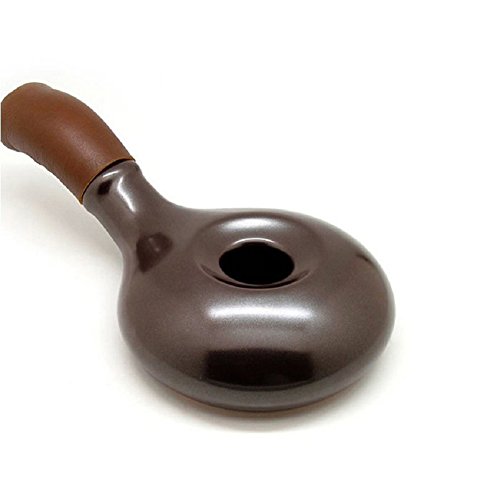
The Nuvo Eco Ceramic roaster emphasizes eco-friendly materials with 100% ceramic construction. Its ceramic design provides natural heat distribution and a distinctive roasting profile. This handheld or small-batch approach suits private-label trials where you want a clean, simple process without complex electronics. The device is compact, making it ideal for small kitchen spaces or demonstration setups where you’re curating flavor profiles for branding experiments.
1Pound Electric Coffee Roaster for Home Use

This electric roaster supports both automatic and manual modes, offering a flexible path from beginner roasting to more controlled experimentation. A built-in smoke filter and venting system helps manage indoor air quality, which is important when running multiple trials for private-label blends. The device is positioned for home use and limited commercial experimentation, supporting batch sizes around a pound and enabling you to refine roast curves for consistent branding before moving to larger equipment.
Portable Glass Coffee Bean Roaster

This portable, high borosilicate glass roaster is designed for small-batch roasting (approximately 50-80 grams). The glass body allows clear observation of roast development, which is valuable for precise profiling in private-label testing. Its portability makes it ideal for demonstrations, pop-up events, or limited-run private-label trials where you want to showcase roast progression visually to potential clients or testers.
JIAWANSHUN Electric Coffee Bean Roaster

The JIAWANSHUN roaster offers a robust 800-gram capacity, temperature control from 0-240°C, and a built-in stirring mechanism for even roasting. This model is well-suited for home use and light commercial experimentation, enabling extended roast profiles and batch experimentation common in private-label development. Its versatility supports a range of beans and styles, making it a practical option for crafting brand-specific roasts and testing consistency across batches.
Buying Guide: Key Considerations for Private-Label Roasting
- Batch size and scalability: Start with small test batches to refine a profile, then ensure the option to scale with higher-capacity machines or shop-level roasters as demand grows.
- Control and repeatability: Look for adjustable heat, real-time temperature readouts, and consistent agitation to reproduce exact roasts across lots, essential for private-label branding.
- Ventilation and indoor air quality: Roasting produces smoke and chaff; devices with built-in filters or proper venting help maintain a safe, comfortable environment for repeated trials.
- Roast profiling capability: Digital displays, timers, and stable temperature control support precise roast curves. This is crucial for delivering consistent flavor profiles to customers.
- Material and build quality: Ceramic, glass, and metal components influence heat distribution and durability. For private-label testing, choose materials that resist staining and are easy to clean.
- Flavor control and customization: Some roasters support pro-level profiles, while others focus on simplicity. Align the choice with your branding needs—whether you emphasize unique roast levels or consistent, repeatable outcomes.
- Portability vs. capacity: If your private-label testing involves demos or pop-up events, portable units offer flexibility. For regular production trials, larger-capacity roasters may be more efficient.
- Maintenance: Consider ease of cleaning, availability of replacement parts, and customer support from the manufacturer to minimize downtime during testing phases.
- Safety features: Look for automatic shutoffs, overheating protection, and clear user instructions to reduce risk during frequent use.
- Cost of entry vs. long-term value: Initial price is important, but weigh it against roast consistency, ease of use, and potential throughput to determine true value for private-label work.
In evaluating these options, consider your target market, preferred roast profiles, and how quickly you plan to iterate on blends. The selections above provide a mix of beginner-friendly and more capable devices, allowing you to experiment with flavors, verify batch-to-batch consistency, and establish a reliable private-label roasting process before expanding to larger equipment or a dedicated facility.