Choosing a drip coffee maker that doesn’t rely on electricity can simplify mornings, reduce energy use, and deliver a straightforward brew. This guide highlights five options best suited for non-electric or minimal-automation setups, while also offering a quick comparison to common electric drip machines. Whether you prefer stovetop, pour-over, or a classic non-electric pot, these picks cover durable construction, ease of use, and strong flavor extraction. Below you’ll find brief product summaries, a buyer’s guide, and a handy summary table to help you decide faster.
| Product | Type | Capacity | Key Benefit |
|---|---|---|---|
| Lindy’s Stainless Steel 10 Cup Drip Coffee Maker | Non-Electric, Stovetop | 10 cups | Classic, durable steel design |
| DOWAN Pour Over Coffee Maker | Non-Electric, Pour Over | 1 cup | Hands-on brewing, precise control |
| BLACK+DECKER 12-Cup Coffee Maker | Electric Drip | 12 cups | Vortex technology for even saturation |
| Mueller 12-Cup Drip Coffee Maker | Electric Drip | 12 cups | Reusable filter and keep-warm |
| Braun BrewSense 12 Cup Drip Coffee Maker | Electric Drip | 12 cups | Timer, compact design, strong flavor |
Lindy’s Stainless Steel 10 Cup Drip Coffee Maker

Lindy’s offers a non-electric, stovetop option focused on durability and simple operation. Built from 18/10 surgical stainless steel with cool-touch handles, this carafe-style pot cooks coffee using your stove heat. It relies on time-tested drip technology rather than a powered brewing cycle, making it ideal for campers, RVs, or kitchen setups without electrical outlets. Expect sturdy construction and straightforward pouring without electronic controls.
DOWAN Pour Over Coffee Maker
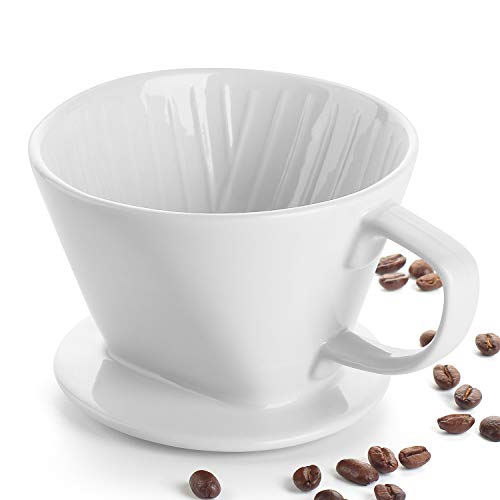
The DOWAN non-electric pour-over dripper emphasizes manual brewing for single servings. Its three-hole design concentrates the brew, aiming for balanced flavor and full extraction. The V-shaped, conical setup helps prolong contact time between water and grounds for richer aroma. This option suits those who enjoy hands-on control and a traditional coffee ritual, with a porcelain or ceramic dripper that’s easy to clean and low-maintenance.
BLACK+DECKER 12-Cup Coffee Maker

This is an electric drip coffee maker designed for convenience with features like Vortex Technology that evenly saturates grounds for robust flavor. A Sneak-A-Cup option stops the brew briefly so you can pour a cup mid-brew, then resumes. The no-drip pour spout helps minimize spills, and the removable filter basket simplifies cleaning. It’s a practical bridge between performance and user-friendly operation for households that still want a familiar auto-drip experience.
Mueller 12-Cup Drip Coffee Maker

The Mueller coffee maker combines a glass carafe with a 60-ounce capacity, delivering up to 12 full cups. It uses a reusable eco-filter to cut waste and improve flavor clarity while allowing optional paper filters. The keep-warm feature maintains heat for later enjoyment, and the machine includes a 2-hour auto-shutoff safety measure. It’s a solid entry for those who value flavor clarity and sustainability in an electric drip brewer.
Braun BrewSense 12 Cup Drip Coffee Maker

The Braun BrewSense offers a compact footprint with a programmable interface and a 24-hour timer. It supports 1-4 cup settings and includes a pause-and-pour feature, a charcoal water filter, and a cleaning option that adapts to water hardness. The stabilizing design helps brew consistent flavors, while a dedicated strength control adjusts between regular and bold profiles for diverse preferences.
Buying Guide: Key Purchase Considerations
- Non-electric vs. electric: Non-electric options rely on manual heat sources or pour-over methods, offering simplicity and lower energy usage. Electric drip machines provide convenience, programmable timers, and consistent brew settings.
- Capacity and carafe design: Consider how many cups you regularly brew. Stainless steel or borosilicate glass carafes affect heat retention and durability; non-electric pots depend on your stovetop heat source.
- Flavor extraction method: Devices with even saturation (like vortex or showerhead designs) tend to yield richer flavor. Pour-over methods emphasize control over water flow and contact time.
- Filters and sustainability: Reusable filters reduce waste. If choosing electric brewers, look for auto shutoff, keep-warm duration, and filter quality.
- Ease of cleaning: Removable baskets, dishwasher-safe parts, and simple nomenclature help long-term maintenance, especially for non-electric pots that accumulate residues on a stovetop.
- Portability and setup: Non-electric options shine when space is limited or electrical access is unreliable. Electric machines require a power outlet and safe placement away from heat.
- Flavor control: Strength settings, temperature controls, and pre-wetting features can influence aroma and mouthfeel. For similar taste outcomes, consider grind size and coffee-to-water ratio as well.
In summary, non-electric drip options prioritize hands-on brewing, durability, and minimal setup, while electric machines emphasize automation, consistency, and convenience. The right choice depends on your kitchen layout, preferred brewing ritual, and energy considerations. The five selections above illustrate a broad spectrum of approaches—from stovetop and pour-over to fully automated drip brewers.